The “It’ll Be Fine” Mindset (And Why It Backfires)
When you’re planning an outdoor wedding, it’s easy to picture the best-case scenario. Blue skies. No wind. Perfect light for photos. Everyone relaxed, drinks flowing, ceremony running exactly how you imagined it.
That’s what you’re buying into.
But the problem is… that’s not how weather works. And it’s definitely not how events work in real life.
What usually happens is the wedding backup plan gets pushed down the priority list. You’ll sort it later. You’ll check the forecast closer to the date. You assume it’ll probably be fine.
And that’s the gap.
Because once there’s no clear Plan B for your wedding, small issues don’t stay small for long.
What Actually Happens Without a Wedding Backup Plan?
It’s not just “a bit of rain.” That’s the part people underestimate.
What it actually looks like is:
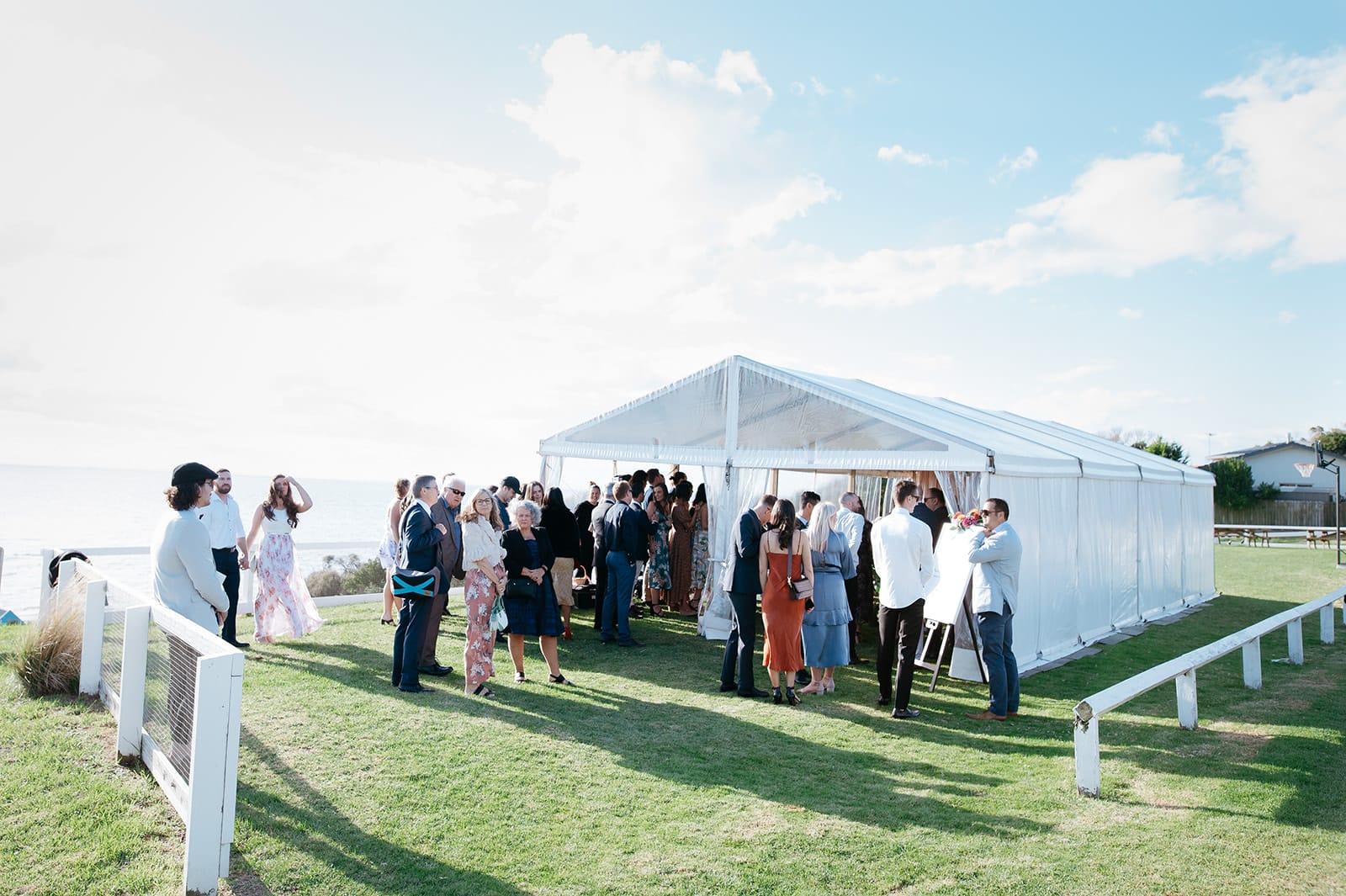
Guests standing around not knowing where to go.
People staying seated instead of engaging.
Furniture getting wet.
Suppliers trying to protect equipment.
No one making a clear call on what’s happening.
Then the decision comes late.
Everything gets rushed.
Guests are dragging chairs, moving things themselves.
The ceremony is delayed or feels disjointed before it even starts.
That early chaos… it carries through the rest of the day.
Guest Comfort & Safety (This Is Where It Falls Apart Fast)
If you strip it back, this is the real reason you need a backup plan for your wedding.
Comfort.
Because once guests are uncomfortable, everything else struggles.
If it’s raining, they’re wet.
If it’s too hot, they’re burnt and looking for shade.
If it’s cold, they’re counting down until they can leave.
You’ll see it happen:
People huddling under cover
Heels sinking into grass
Guests checking out early
Energy dropping before the reception even starts
And the reality is… guests remember that.
They don’t remember the small styling details. They remember how it felt to be there.
Supplier Equipment, Decor & Hidden Costs
Then there’s the side most couples don’t think about until it’s too late.
Your setup.
Bands, DJs, lighting — all need protection. Weather exposure can shut things down quickly. Then you’ve got florals, furniture, and styling that can be damaged in minutes.
Rain hits → florals are soaked → can’t reuse them for the reception.
Heat hits → flowers wilt → everything looks tired before the night starts.
Wind picks up → styling moves, falls, or needs to be reset.
That’s where you start losing money on things you’ve already paid for.
And it’s exactly the kind of spend people regret afterwards.
Your Wedding Photos & Video Will Be Affected
You only get one chance at this.
Lighting, weather, and conditions play a massive role in how your photos and video turn out — more than most people realise.
Harsh sun creates strong shadows and squinting.
Rain limits where you can shoot and how long you have.
Last-minute changes rush the whole process.
Even with a great photographer, there’s only so much they can work around if there’s no proper backup option.
And once the day’s done, you can’t redo it.
What a Proper Wedding Backup Plan Actually Looks Like
This is where most people get it wrong.
A backup plan isn’t just “we’ll figure something out if it rains.”
It needs to be real. Booked. Thought through.
That could look like:
A marquee booked in advance (not the week before)
An indoor option confirmed and ready
A clear layout for both scenarios
A plan that can actually be switched over without chaos
Because if it’s not ready to go, it’s not a plan — it’s just an idea.
The Biggest Mistake: Leaving It Too Late
Timing is where things fall apart.
A lot of couples wait until the last minute to decide. Sometimes the morning of. Sometimes even 30 minutes before the ceremony.
That’s where the stress spikes.
Suppliers aren’t available.
Equipment isn’t ready.
No one knows what’s happening.
If you’re thinking about something like a marquee wedding backup plan, those are often booked out in peak season — especially across Australia. You can’t rely on finding one last minute.
What we usually see work better is locking it in early, paying a deposit, and making the call closer to the date.
Yes, you might lose the deposit.
But you avoid all the stress leading into the day.
When Should You Make the Call?
This is one of the most common questions.
Realistically, your decision should be made either:
The day before
Or the morning of (if timing allows)
Not 30 minutes before guests arrive.
By that point, it’s too late to move things properly.
Use the forecast, look at the trend, and make a call early enough that your team can actually execute the plan.
Who Is Actually Going to Execute Plan B?
This is the part almost no one thinks about.
Even if you have a backup plan… who’s running it?
Who’s moving furniture?
Who’s coordinating suppliers?
Who’s making the call and communicating it?
Because it shouldn’t be you.
You don’t want to be managing logistics on your wedding day. And you definitely don’t want your guests doing it for you.
A plan only works if someone is responsible for making it happen.
The Real Point Most People Miss…
At the end of the day, a great wedding isn’t about hoping everything goes perfectly.
It’s about planning for how things actually work.
A proper wedding backup plan protects:
Your guest experience
Your investment
The overall energy of the day
Because it’s not just about how your wedding looks.
It’s about how it feels once people arrive, and whether the day actually runs the way you imagined it would.