Quick Guide: Why Some Events Work and Others Don't
Quick Guide: Why Some Events Work and Others Don't
Most events are designed to look good. That doesn’t guarantee they’ll feel right once guests arrive.
If an event feels flat, it usually comes down to a few key things:
What goes wrong
- Guests stay in their own groups
- The energy never really lifts
- The room feels empty or disconnected
- The night peaks too early, then fades
Why it happens
- Layout doesn’t support movement or mixing
- Music and sound make conversation harder
- The room temperature or comfort isn’t right
- Timing slows momentum instead of building it
- Guests are split across spaces or anchored too early
What actually makes the difference
- A layout that guides movement and interaction
- Sound and lighting that shift across the night
- Timing that builds energy instead of interrupting it
- A clear peak moment and a strong ending
- Removing small friction points that slow everything down
This post breaks down how each of these decisions affects what actually happens once guests arrive.
Intentional Experience Design
Intentional Experience Design
Every Layer That Shapes How a Night Actually Feels
Why is it that some events look great but never come alive?
Most events are designed to look good but that’s where a lot of weddings and events fall short.
Across weddings, corporate events, and parties in Melbourne, it’s becoming clear that how an event looks isn’t enough.
The room looks exactly how it was planned. The styling is right, the lighting is there, everything is in place.
But once guests arrive, the room doesn’t behave the way you expected.
People stay in their own groups.
The energy never quite lifts.
The dance floor takes too long to start, or never really gets going.
Guests sit longer than expected or leave earlier than they should.
The setup is right. The outcome isn’t.
This doesn’t happen because of the styling. It happens because no one designed what the night would feel like once people were actually in the room.
That’s the difference between styling an event and designing one.
We start with how your event looks.
Then we design how it actually works once guests arrive, how people move, interact, and how the energy builds across the night.
What We Mean By Energy At An Event
What We Mean By Energy At An Event
When we talk about energy, we’re not talking about noise or music volume.
We’re talking about:
- how quickly guests start interacting
- how easily people move through the space
- whether conversations continue or stall
- how the room shifts from arrival into a more active phase
- how involved guests get into the event
Energy is what makes a room feel alive instead of static.
It doesn’t happen on its own. It builds based on how the event is designed. Energy building means the room becomes more active as the night goes on, not less.
What "falling flat" Actually Looks Like:
What "falling flat" Actually Looks Like:
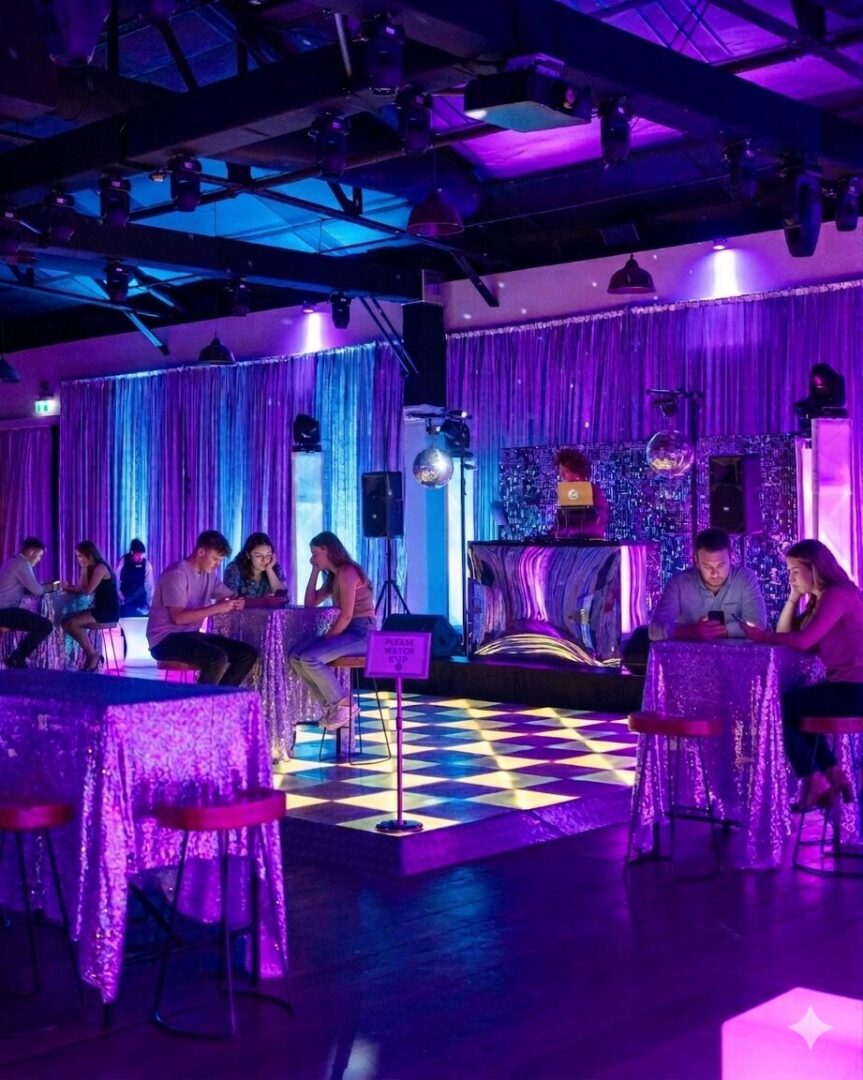
When an event doesn’t come together, it rarely shows up in photos. It shows up in how people behave.
Guests arrive and hover near the entrance because there’s no clear reason to move further into the space.
Groups form early and stay fixed for the night.
The bar becomes the only active area, while the rest of the room feels underused.
Dinner slows the momentum and the room struggles to recover.
The dance floor opens, but it takes too long to fill, or never reaches a point where it feels full.
From the outside, the event looks fine.
Inside the room, the energy never builds the way you expected, and once that pattern sets in early, it rarely recovers.
Why Most Events Fall Flat, and It's Not The Styling
Why Most Events Fall Flat, and It's Not The Styling
When an event doesn’t land, it’s rarely because the styling wasn’t right.
It’s usually because key parts of the guest experience were never designed.
The room temperature is too hot early and guests are uncomfortable before anything really starts.
The music sits just loud enough that conversations feel like effort, so people stop trying.
The seating setup encourages guests to sit too early and stay there.
Food comes out too late and guests have been drinking on empty stomachs for too long.
A long multi course dinner takes up too much of the night and stalls momentum when the room should be building.
The event is in multiple rooms and guests are disconnected. Guests split across spaces, which breaks shared energy and makes it harder for the room to build any momentum.
The dress code is formal (black tie), but the host wants guests to relax and dance all night.
The formalities are long and painful and guests are not engaged. The lighting is all wrong and doesn’t set the tone for how the hosts wants the guests to feel.
These aren’t styling problems. They’re experience problems.
And they’re predictable.
An event can look exactly as planned and still feel wrong. The gap is usually in all the things nobody designed.
What Actually Controls How an Event Feels, and Why Most Events Get This Wrong...
What Actually Controls How an Event Feels, and Why Most Events Get This Wrong...
There are a small number of factors that determine whether a night builds or flops. Most events include them, but very few are designed to work together.
- Movement and layout, where guests naturally walk, stop, and gather
- Sound and conversation, whether people can talk easily or give up trying
- Temperature and physical comfort, whether guests settle in or slowly disengage
- Timing and pacing, how the night progresses from arrival through to the peak
- Social dynamics, whether guests mix or stay in their own groups
- Transitions, what happens between the planned moments
- Entertainment, what it is, when it happens, and whether it pulls people in or leaves them passive
Guests experience all of these at once.
If they’re not aligned, the room feels disconnected.
If they are, the energy builds. If they’re not, the night stalls no matter how good the room looks.
Guest experience isn’t a separate layer. It’s the result of how all of these decisions come together.
It shows up in how quickly guests start interacting, whether they stay in one place or move through the room, and whether the energy builds or stalls across the night.
What Actually Shapes the Guest Experience at an Event?
What Actually Shapes the Guest Experience at an Event?
This is where those factors turn into real decisions in the room. When we design an event, we’re not looking at individual elements. We’re looking at how the room will behave once it’s full of people. Most planners focus on logistics. Most stylists focus on how the room looks. Very few design how the room actually behaves once guests arrive.
- The five senses — all of them, not just sight
Most event design focuses on what guests see. The other senses are often left to chance, which means they can work against the room without anyone realising.
Sight – what guests see and where they look
Lighting directs attention. It tells guests where to focus and where to go. Bright, well lit areas pull people in. Dark areas empty out.
Sound – whether guests can actually connect
If guests need to raise their voices, conversations shorten. People stop engaging. Music that is too low in volume can also affect guest energy so this needs to be adjusted for different times of the night. The room can look busy but feel disconnected. Volume should shift across the night, not stay constant.
Smell – the first impression on arrival
Guests register scent before they process anything visually. A space that smells off immediately changes how the room feels before anything else happens. The right smell will always help create and trigger memories in the future.
Touch – physical comfort across the night
Temperature, seating, surfaces underfoot. These determine whether guests feel relaxed or slowly become uncomfortable and disengage.
Taste – when food arrives, not just what it is
Food timing stabilises energy. Too late and guests peak early and drop. Well timed service and the right type of food keeps the room moving.
- The room itself — size, temperature, lighting, and layout
These are the foundations of how the room behaves.
Room size relative to guest count
If the room is too large, guests spread out and the energy thins. If it’s too tight, discomfort builds quickly. The right density is what allows energy to form.
Temperature across the night
The room will not feel the same at 9pm as it does at 6pm. If this isn’t planned for, guests become uncomfortable right when the night should be building.
Lighting across the night
Lighting should shift as the event progresses. A static room stays in the same state. A change in lighting signals a change in behaviour.
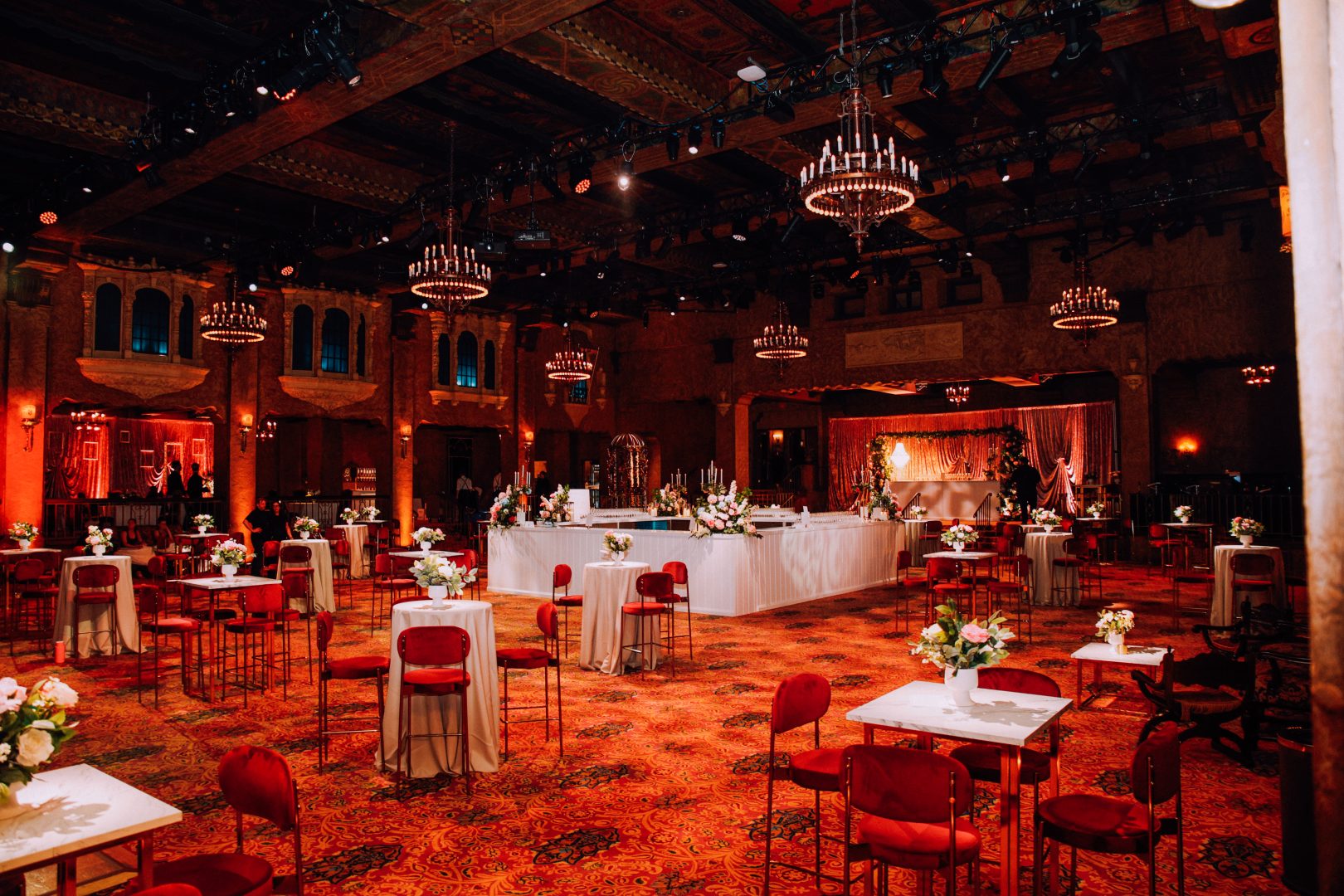
Why Layout is one of the Most Important Decisions in the Room:
Why Layout is one of the Most Important Decisions in the Room:
Layout controls behaviour.
Where guests go when they enter.
Where they stop.
Who they end up talking to.
Whether they move or stay in one place.
A poorly positioned bar can pull all the energy into one area and leave the rest of the room flat.
Too much seating anchors guests early and reduces movement.
Unused areas become dead space that people avoid.
Most layouts are designed to make the room look balanced.
They should be designed to control how the room works.
Because once guests arrive, they follow the layout whether it was planned for or not.
When layout is right, the room feels active early. When it’s wrong, no amount of styling fixes it.
- What guests are wearing — and why it matters
Dress code directly affects behaviour.
Formal events slow movement. Guests sit more, take longer to engage, and need more support to lift energy.
More relaxed events allow guests to move freely, mix earlier, and engage faster.
If the space doesn’t match how guests are dressed, it won’t function properly. Which means the same room setup will perform completely differently depending on what guests are wearing.
- Timing and pacing — how the night builds
Every event has key moments, but the outcome is determined by everything in between.
Arrival
The first ten minutes set the tone. If guests don’t know where to go, they stop near the entrance and that pattern sticks.
First 45 minutes
This is when groups either mix or lock in. If it doesn’t happen here, it usually doesn’t happen later.
Transitions
The space between moments determines whether the night feels smooth or awkward.
Energy arc
A well designed event builds. A poorly designed one peaks too early and fades.
If the structure is wrong, the night feels like it peaks too early and never recovers.
The Peak End Rule - What Guests Actually Remember
The Peak End Rule - What Guests Actually Remember
Guests don’t remember the night evenly.
They remember two points:
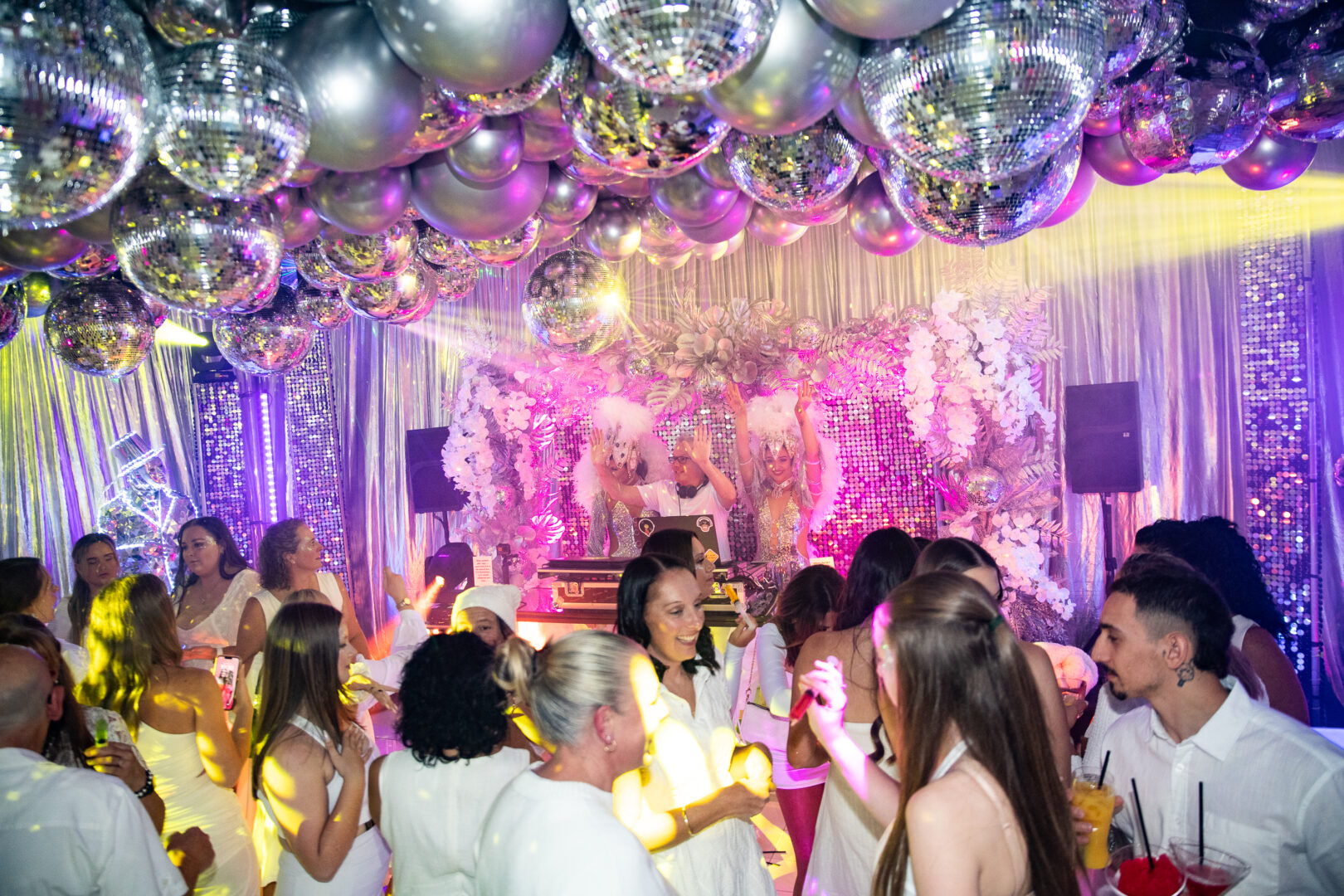
- when the energy was at its highest
- how the event ended
If the night peaks too early, guests feel the drop that follows.
If the ending feels unclear or flat, that becomes the lasting impression.
Most events don’t plan for this.
Designing for it means deciding:
- where the peak should happen
- what builds into it
- how the night closes
A strong peak lifts the room.
A strong ending defines how the event is remembered.
Without both, the night can feel like it just faded out, even if everything else worked. This is why a strong dance floor moment, or final experience matters more than adding more styling or detail earlier in the night.
- Friction Points – The Small Things That Change Everything
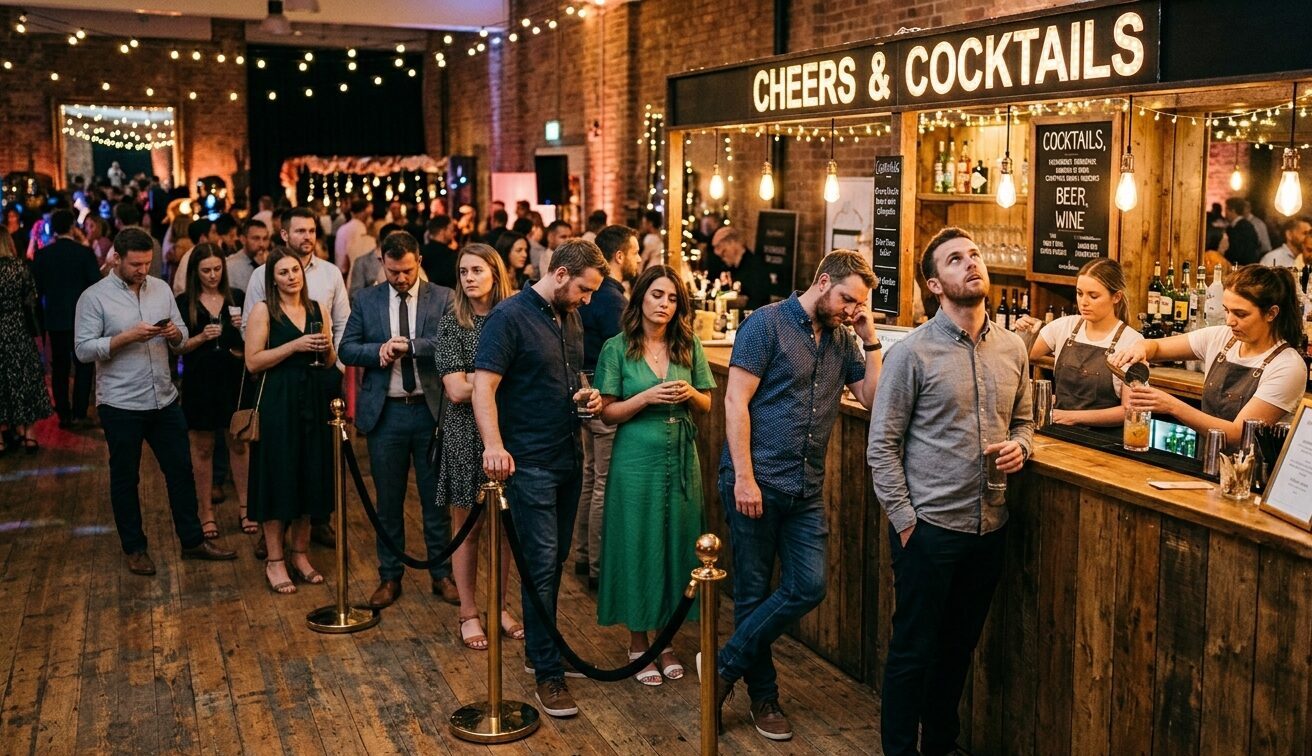
Friction doesn’t stand out, but it affects the entire room.
Bar queues blocking movement.
Guests unsure where to go.
Bottlenecks at entry.
Nowhere to put a drink.
No space to step away without leaving.
Toilet queues.
Each one slows the room down.
Together, they stop the night from building. None of these ruin an event on their own, but together they quietly drain energy from the room.
- Layout and Social Design – How Connection Actually Happens
The layout determines interaction.
Who talks to who.
Whether guests stay in fixed groups or mix.
Whether the room feels active or static.
There’s no neutral setup.
Every decision either helps guests connect or keeps them separate. If the earlier layout controls movement, this controls interaction.
How All of This Works Together
How All of This Works Together
None of these elements exist on their own.
Temperature affects how long guests stay in one place.
Sound affects whether people continue conversations.
Layout affects movement.
Timing affects energy.
When these are aligned, the night builds.
When they’re not, the room never quite comes together. This is why events either feel like they come together, or never quite do.
What Changes When this is Designed Properly?
What Changes When this is Designed Properly?
Without experience design:
- Guests stay in their own groups
- Energy peaks early and drops
- The room feels flat even when it looks full
- Key moments don’t land the way they should
With experience design:
- Guests move, mix, and engage early
- The energy builds across the night
- The room feels active, not scattered
- The night holds momentum through to the end
- Guests stay longer instead of leaving early
This isn’t about adding more. It’s about making what’s already there actually work.
Is This the Right Approach for your Event?
Is This the Right Approach for your Event?
Not every event needs this level of thinking.
If you know exactly what you need and just want it delivered and set up, hire with setup is the right fit.
If your focus is on how the space looks, styling support focuses on that and avoids wasting budget on things that won’t change how the night actually feels.
But if your event depends on how the night actually feels, how guests interact, and whether the energy builds or falls flat, that’s where atmosphere and guest experience design comes in.
That’s where we design what happens once guests arrive, not just how the room looks before they do.
Planning an Event Where the Night Actually Needs to Work?
Planning an Event Where the Night Actually Needs to Work?
If your goal is just to make the room look good, styling will get you there.
But if you want a night where:
- guests don’t stay in their own groups
- the energy builds instead of dropping
- the room feels active from early on
- and the night holds momentum through to the end
then those outcomes don’t happen by chance.
They need to be designed.
We’ll help you work out the right approach for your event, whether that’s hire, styling, or full atmosphere and guest experience design.
Start by telling us about your event, and we’ll help you work out what will actually make it work once guests arrive.
Author – Marcus Prentice – Partyologist, DJ, Event & Wedding Planner
FAQ's About Event Experience Design:
FAQ's About Event Experience Design:
What is guest experience event design?
Guest experience event design focuses on how an event actually works once guests arrive. It considers movement, layout, timing, and interaction, not just how the room looks.
What’s the difference between styling and experience design?
Styling focuses on how the space looks. Experience design focuses on how guests behave, how they move through the space, and how the energy builds across the night.
Why do some events feel flat even when they look good?
Because key elements like layout, timing, sound, and guest flow weren’t designed to work together. The event looks right, but the experience doesn’t support interaction or energy.
Is this only for large events?
No, but it matters more when guests don’t all know each other, or when the event relies on energy, interaction, or a strong atmosphere.
Can this be applied to weddings and corporate events?
Yes. Weddings, corporate events, and large parties benefit the most because they rely heavily on guest interaction and energy building across the night.
Do I need full experience design or just styling?
If you already know what you want and just need it set up, hire with setup is enough. If you want help with how it looks, styling support works. If the outcome depends on how the night feels and flows, experience design is the right fit.
How does layout affect guest experience at an event?
Layout determines how guests move, where they gather, and who they interact with. A well designed layout encourages movement and mixing, while a poor layout keeps guests stuck in the same groups and areas.